
Science & Tech news · 29 October 2026
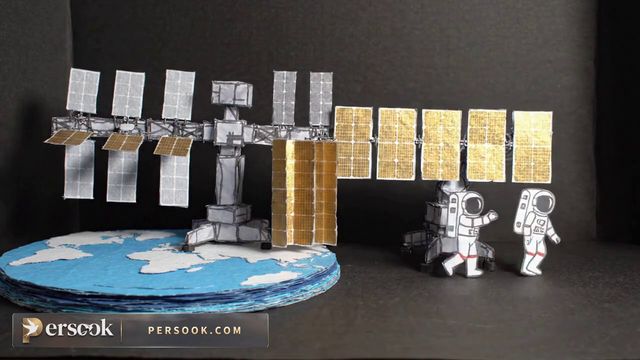
Canadian Astronaut Set to Conduct Canada's First ISS Spacewalk in Seven Years
Canadian Space Agency astronaut Joshua Kutryk and NASA's Anil Menon are scheduled to step outside the International Space Station on October 29 to deploy a new solar array, the first of two planned outings that together will raise the station's power output by roughly 30 percent.
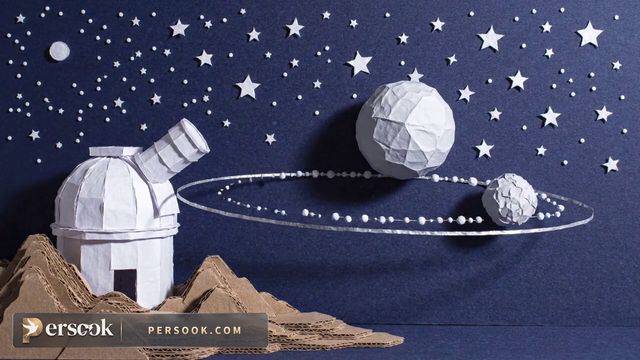
Vera Rubin Observatory Spots Its First Dwarf Planet Candidate Beyond Pluto
Before its decade-long survey has even officially begun, the Vera Rubin Observatory has identified a dwarf planet candidate called 2026 ED138 beyond Neptune, estimated at up to 1,500 km wide — potentially one of the largest such objects ever found.

Thwaites 'Doomsday Glacier' May Raise Sea Levels Twice as Much as Feared
A new study by UC Irvine and NASA's Jet Propulsion Laboratory finds that Antarctica's Thwaites Glacier could contribute up to 30 mm of sea-level rise by 2100 — double previous estimates — as warm ocean water penetrates far deeper beneath the ice than scientists thought.

Scientists Discover How Opposite Poles Are Linked — Solving an Ice Age Mystery
Researchers at the University of St Andrews have identified a hidden ocean chain reaction connecting the Northern and Southern Hemispheres that may explain how Earth's past ice ages were triggered and deepened.

Laser Pulses Could Make Computer Memory More Than 1,000 Times Faster
Engineers at UC San Diego have demonstrated that precisely shaped ultrafast laser beams can switch the magnetic states used to write digital data, a method potentially more than 1,000 times faster than conventional magnetic memory technology.