
Science & Tech news · 13 November 2026
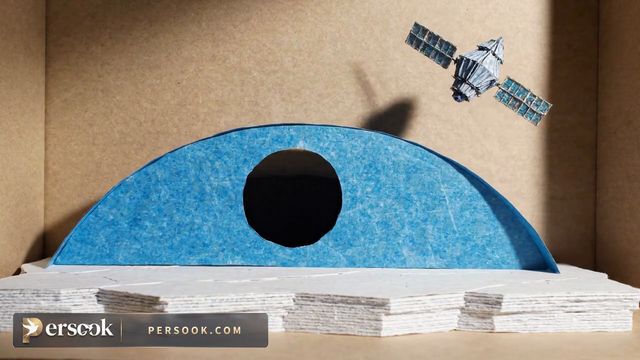
Antarctic ozone hole reaches size not seen in a decade, NASA and NOAA say
NASA and NOAA scientists say the 2026 Antarctic ozone hole was the largest in about a decade, ranking seventh-largest in 48 years of records. They say the ozone layer is still recovering and is expected to heal by the 2070s.

Perseverance rover confirms organic carbon in two ancient Mars rocks
Research in Science Advances confirms that two rocks in Mars' Bright Angel formation contain organic carbon, found by NASA's Perseverance rover. The carbon can form with or without life, so the finding does not show that life existed.

Earth's fiery birth may have created hundreds of oceans' worth of water
University of New Mexico researchers report that reactions between hot hydrogen and rocky pebbles may have produced large amounts of water as Earth formed. The study, in Nature Geoscience, does not establish how much of today's water came from this process.

Lumina simulation shows how the early universe emerged from its dark age
Researchers at MIT, Harvard and other institutions have built Lumina, a supercomputer simulation of 2 billion years of early cosmic history. It models how the first stars, galaxies and black holes changed hydrogen and helium in the universe.

New method reveals hidden planet in James Webb images
Researchers developed a method called FLIP that uses a computer model of Webb's NIRCam camera to remove starlight from images. It exposed a planet hidden in existing data and was 2 to 15 times more sensitive than conventional approaches in tests on known planets.