
Polar Air Could Bring Early Winter Snap to Germany Around 10 November
Written by AI from berliner-zeitung.de's report. Not checked by a person.
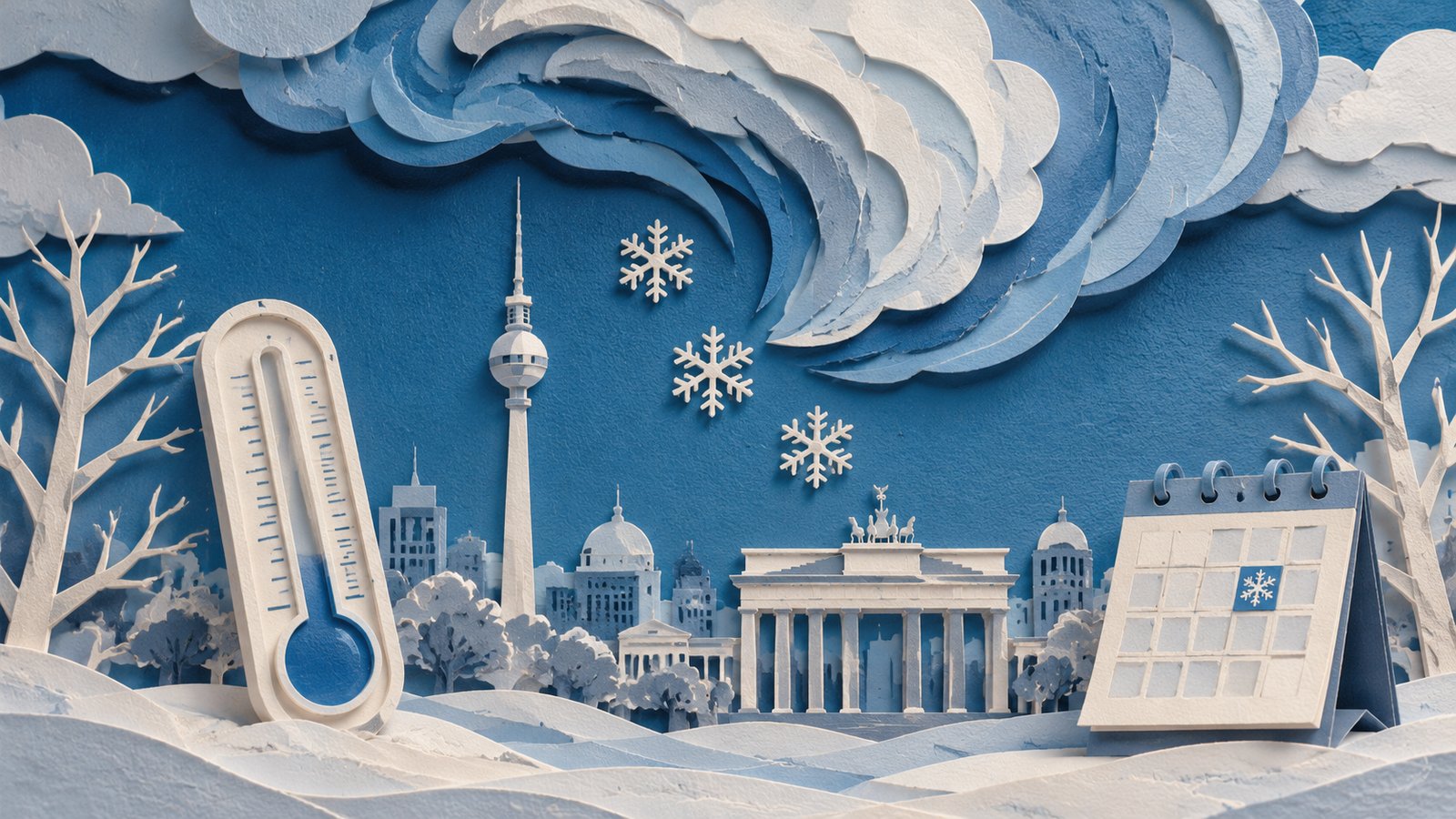
Europe's leading weather model is pointing to a polar-air outbreak around 10 November that could push night-time temperatures to between −5 and −10 °C across eastern Germany and the Mittelgebirge — arriving just before Saint Martin's Day on 11 November.
Europe's ECMWF weather model is signalling an early winter outbreak for Germany around 10–11 November. In the latest model run, a strong high builds over the North Sea on 11 November while a low sits over the Baltic Sea, funnelling bitterly cold continental air from the northeast directly into the country. Meteorologist Dominik Jung of wetter.net describes the scenario as a "genuine winter outbreak," arriving even before Saint Martin's Day on 11 November.
At around 1,500 metres altitude the model projects temperatures of −6 to −10 °C — roughly ten degrees below the seasonal norm of around zero degrees. Clear skies under the high allow night-time temperatures to collapse to −5 to −10 °C, particularly in eastern Germany and the Mittelgebirge, with mountain peaks remaining frosty even during the day.
Snow prospects are modest. High pressure typically delivers dry, clear air rather than heavy snowfall; flurries are most likely along the Baltic coast and in areas where small weather disturbances track along the edge of the high. Whether the German Weather Service issues formal frost warnings will be decided in the days beforehand.
Jung cautions that a single model run is not a confirmed weather pattern, but the cold signal has reappeared consistently over several days, persistently centred on around 10 November — which he says warrants serious attention. A further wildcard is a possible Major Warming of the polar vortex above the Arctic in early November. Should that stratospheric disturbance reach ground level — which the German Weather Service stresses is not guaranteed — it could take 10 to 15 days to do so and potentially usher in an even sharper cold wave.
More from this edition

"Gen Z Regelt" Draws Thousands to Brandenburg Gate in Berlin

Gen-Z March in Berlin's Prenzlauer Berg Turns Violent, 56 Arrested

Berlin's Left Party Votes Yes to Red-Green-Red Coalition Talks

Luxury Shops on Kurfürstendamm Board Up Windows Before Gen-Z Protest
BVG's M10 Tram to Close from Monday, Cutting Last Tram Link Between Prenzlauer Berg and Berlin-Mitte

Alexander Tower at Alexanderplatz Resumes Construction After Four-Year Standstill
Internet Hate Preacher Paul Brandenburg Arrested at Berlin's BER Airport

CDU MP's Berlin Constituency Office Window Smeared with Paint