Mexican cave paintings may be part of a Mesoamerican writing system, study finds
Researchers announced on 1 October 2026 that enigmatic cave paintings in Cave 19 at Chalcatzingo, Mexico, may form part of an ancient Mesoamerican writing system, pushing back understanding of literacy in the Americas.
A landmark heritage-archaeology story published on 1 October 2026 reports that the long-studied painted figures inside Cave 19 at Chalcatzingo in central Mexico's state of Morelos may form part of a previously unrecognised Mesoamerican writing system. Chalcatzingo is already famous for its Olmec-style rock reliefs dating back nearly 3,000 years, but new analysis of the cave's red-and-black pictographs — including recurring motifs of jaguars, scrolls and seated figures — suggests they functioned as a structured symbolic script rather than purely decorative imagery. The findings, published in a peer-reviewed journal and summarised by Archaeology Magazine, could reshape the timeline for the emergence of writing in the Americas and strengthen the case for Chalcatzingo's inscription on the tentative World Heritage list. The announcement was one of the day's most-read archaeology-and-heritage stories, picked up globally by heritage press and shared widely on social media.
More from this edition

Spain's Royal Paintings Museum at El Escorial reopens after more than a decade
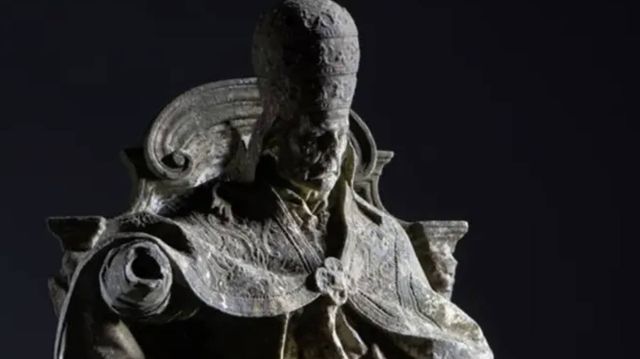
Lost Baroque marble by Trevi Fountain sculptor turns up in a UK salvage yard

British Museum unveils major 'Korea' exhibition spanning 2,000 years of creativity
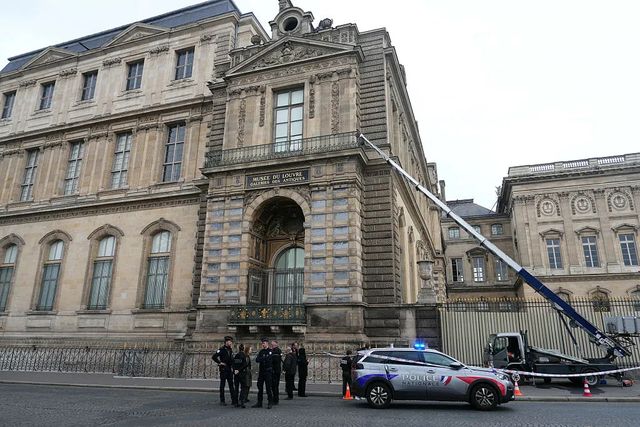
New Louvre president vows to build a 'culture of security' after jewel heist
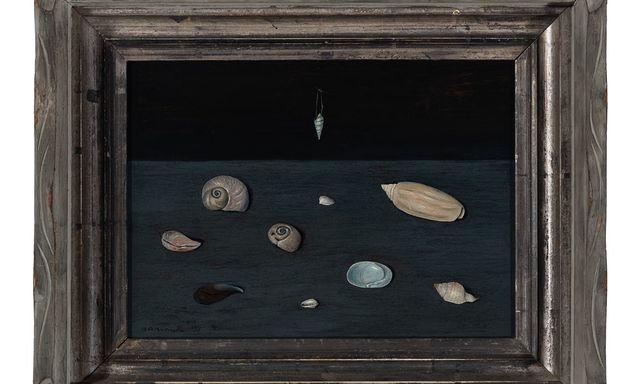
$30 estate-sale painting by Gertrude Abercrombie sells for record $1.3 million

Noël Coward's 'Hay Fever' opens on the West End with a starry revival

Venom frontman Conrad 'Cronos' Lant dies at 63, pioneer of black metal mourned

'Animal House' actress Mary Louise Weller dies at 79, a day before her 80th birthday