
NASA's Bennu Samples Reveal a 4.5-Billion-Year-Old Solar System Secret
Analysis of asteroid Bennu's OSIRIS-REx samples shows it formed at the early solar system's water-ice boundary, where inner and outer disk materials mixed — with Jupiter acting as a gravitational barrier that shaped its chemistry.
A study now published in Science Advances, drawing on the roughly 120 grams of material NASA's OSIRIS-REx spacecraft returned from asteroid Bennu to Utah in 2023, has overturned previous assumptions about Bennu's origin. Researchers found that Bennu shares strikingly similar isotopic fingerprints with asteroid Ryugu and rare CI meteorites, indicating all three formed from the same ancient cosmic dust reservoir near the solar system's water-ice line — the boundary where temperatures fell cold enough for water to freeze. The team's leading hypothesis is that Jupiter, which coalesced within the first million years of the Sun's birth, acted as a gravitational barrier that kept larger particles from crossing its orbit while allowing fine dust from the inner and outer disk to mix freely in this transition zone. Lead researcher Maria Schönbächler, Professor of Isotope Geochemistry at ETH Zurich, noted that Bennu may offer humanity's best direct glimpse of the primordial chemical mix from which Earth's building blocks ultimately came, and its samples may carry clues to how the ingredients for life arrived on the young Earth.
More from this edition

Brain-Inspired Superconducting Chip Keeps Pace With Fusion Plasma at One Million Samples per Second
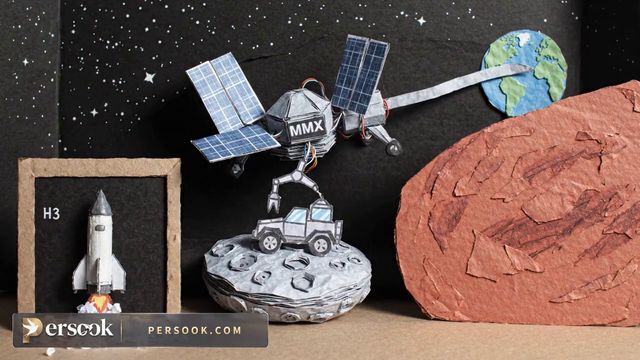
Japan Launches Historic MMX Mission to Collect the First Samples from a Martian Moon
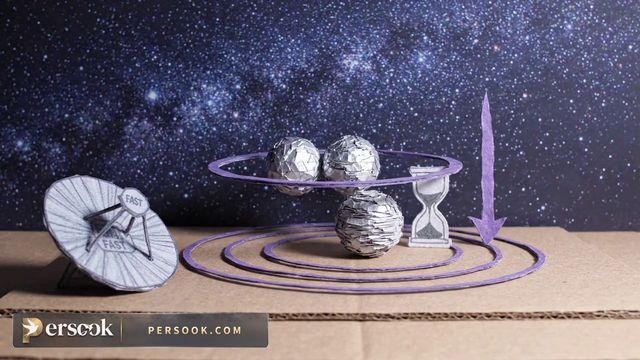
Lightest Neutron Star Pair Ever Found Confirms Einstein's General Relativity to Within 1%
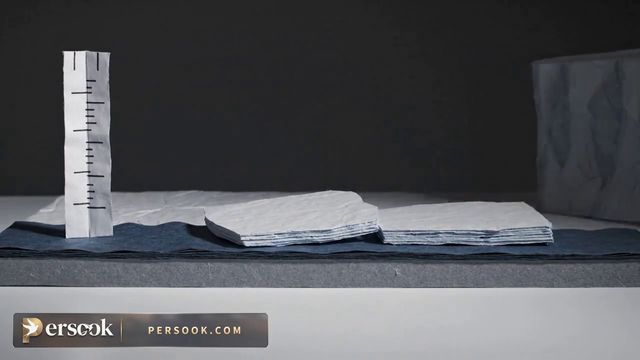
Thwaites 'Doomsday Glacier' Could Contribute Twice the Sea-Level Rise Previously Forecast