
Scientists Reveal Why Statins Can Damage Muscles — and Point to a Fix
Researchers at the University of British Columbia used cryo-electron microscopy to show that statins latch onto a calcium-regulating protein in muscle cells and force it to stay open, causing damaging calcium leakage. The molecular discovery, published in Nature Communications, opens the door to redesigning statins to retain their cholesterol-lowering benefits without the side effects.
A team at the University of British Columbia, working with colleagues at the University of Wisconsin-Madison, has identified the precise molecular mechanism by which statins can cause muscle pain, weakness and, in rare cases, severe muscle injury — a side effect serious enough that 7–29% of patients reduce or stop treatment. Using cryo-electron microscopy to examine protein structures at the atomic level, the researchers focused on atorvastatin, one of the world's most prescribed statins, and found that it binds to a muscle-cell protein called the ryanodine receptor (RyR1). Three statin molecules occupy a specific pocket in the protein: the first makes the calcium channel more likely to open, while two additional molecules hold it open, causing calcium to leak continuously into the muscle tissue. Sustained calcium overload stresses and can destroy muscle fibres. The research, published in Nature Communications in October 2026, is the first to map this three-molecule binding pattern at atomic resolution. Crucially, the mechanism is distinct from the pathway by which statins lower cholesterol, suggesting that drug developers may be able to modify statin molecules specifically to prevent the ryanodine receptor interaction while preserving cardiovascular benefits. More than 200 million people worldwide take statins, making this one of the most medically significant pharmacological side-effect discoveries in years.
More from this edition

Ebola Reaches Nigeria as Outbreak Becomes Most Geographically Widespread in History
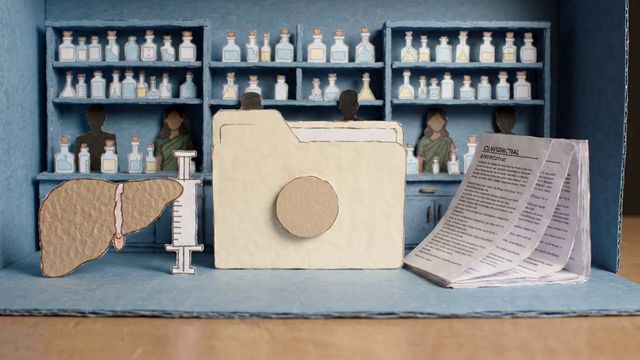
FDA Approves Hibsago: First Antisense Drug for Chronic Hepatitis B
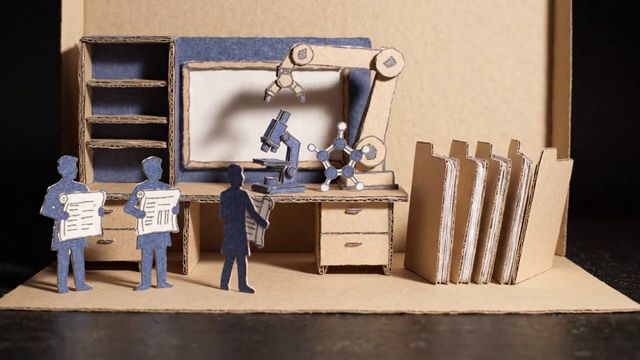
OpenAI Acquires Drug-Development Platform Orchestra Bio to Accelerate Medicine Discovery
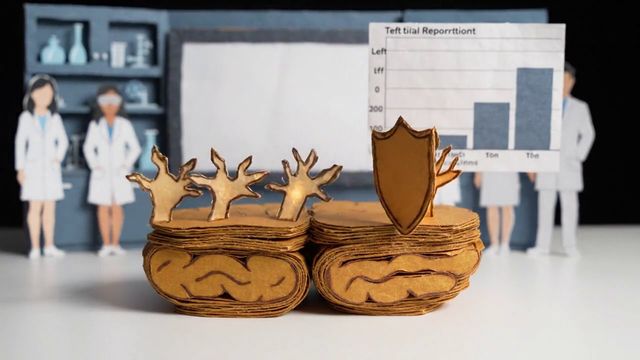
Blocking Immune T Cells Protects Brain Tissue in Alzheimer's — Without Removing Toxic Protein