
Scientists Solve 30-Year Mystery of Why Statins Cause Muscle Pain
Researchers at the University of British Columbia used cryo-electron microscopy to discover that statin molecules wedge into a calcium channel in muscle cells and force it open, causing a harmful calcium leak.
A study published in Nature Communications on 19–20 October 2026 by researchers at the University of British Columbia and the University of Wisconsin-Madison has identified the molecular mechanism behind the muscle pain experienced by roughly one in ten of the more than 200 million people worldwide who take statins to lower cholesterol. Using cryo-electron microscopy, the team showed that statin molecules bind to the ryanodine receptor (RyR1), a protein that acts as a gated channel controlling calcium flow inside muscle cells. Three statin molecules occupy a specific pocket in the channel: the first makes the channel more likely to open, while two additional molecules prop it open, causing calcium to leak continuously into areas where it should be tightly regulated. This persistent calcium overflow damages muscle tissue, producing the soreness, weakness and, in severe cases, the dangerous muscle breakdown that leads many patients to abandon their medication. Lead researcher Dr Filip Van Petegem described the findings as a roadmap for designing next-generation statins that preserve their cholesterol-lowering benefits without the muscle interaction — potentially keeping far more high-risk patients on life-saving treatment.
More from this edition

Ebola Spreads to Nigeria and Kenya as Epidemic Reaches Five Countries

France Records World's First Human Case of Shamonda Virus
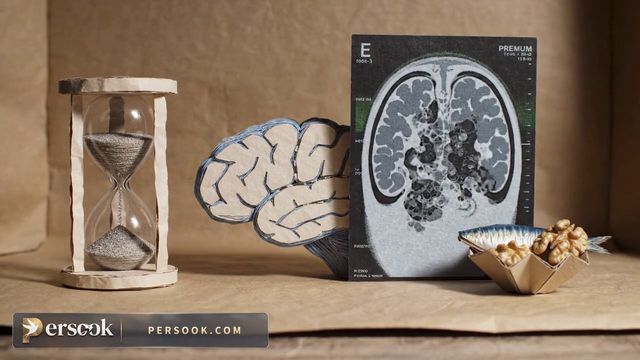
Two-Year Trial: Fish Oil Supplements Deliver Omega-3 to the Brain But Fail to Prevent Cognitive Decline
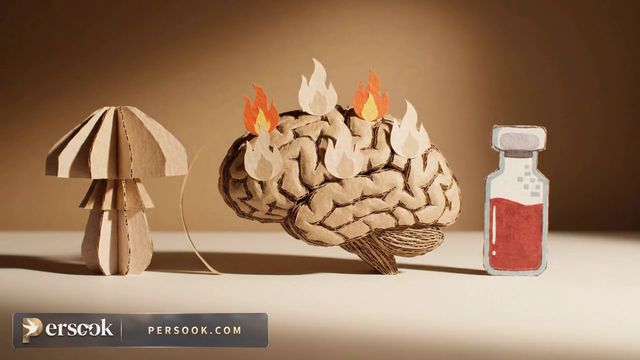
First Human Trial Suggests Psilocybin May Reduce Inflammation in Parkinson's Disease