 Photo · npr.org
GLP-1 Weight-Loss Drug Lawsuits Mount Amid Scant Safety Data
A high-profile NPR investigation on 10 October 2026 reported more than 4,000 pending lawsuits alleging that GLP-1 drugs such as Ozempic cause severe gastroparesis, bowel injuries and permanent vision loss, while safety data remains thin.
NPR's health unit published a widely syndicated investigation on 10 October 2026 showing that lawsuits linking GLP-1 drugs - including semaglutide (Ozempic, Wegovy) and tirzepatide - to serious harm are piling up faster than researchers can measure the risks. Two consolidated US multidistrict litigations now hold 4,025 pending gastrointestinal injury cases and 247 vision-loss cases tied to non-arteritic anterior ischemic optic neuropathy (NAION). Plaintiffs allege severe gastroparesis, intestinal obstruction, ileus and sudden permanent blindness. The piece highlights research in JAMA Ophthalmology showing elevated NAION rates among diabetic patients prescribed semaglutide, but notes that other follow-up studies have found no clear link. US regulators have added warnings about ileus and gallbladder problems but have not acted on vision loss. Novo Nordisk told NPR the vision-loss cases are without merit, pointing to studies casting doubt on the connection. Independent experts quoted in the article call for mandatory post-marketing safety registries and better reporting as tens of millions of patients worldwide now use GLP-1 drugs for diabetes, obesity and, increasingly, off-label conditions.
More from this edition

WHO Urges Shift to Community-Based Mental Health Care on World Mental Health Day

DR Congo Bundibugyo Ebola Outbreak Passes 8,700 Cases as Kenya Confirms Imported Case

Pennsylvania Measles Cases Top 1,000 as New York Declares Disaster Emergency

Doctors Protest at World Medical Association Summit to Suspend Israeli Association

A Year After the Ceasefire, Gaza's Health System Still in Collapse

France Confirms 146 Local Chikungunya Cases Across 20 Outbreak Clusters
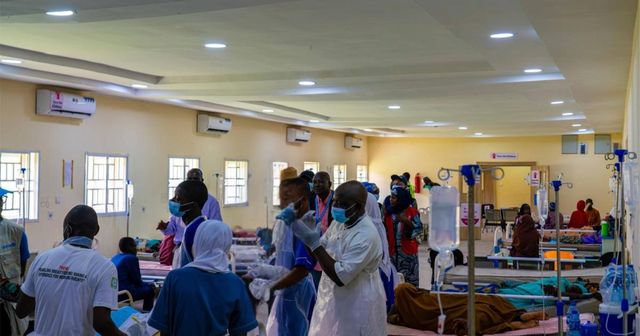
Nigeria's Borno State Battles Cholera as Suspected Cases Pass 68,000

WHO Says Suspected Russian Plague Death Remains Unexplained