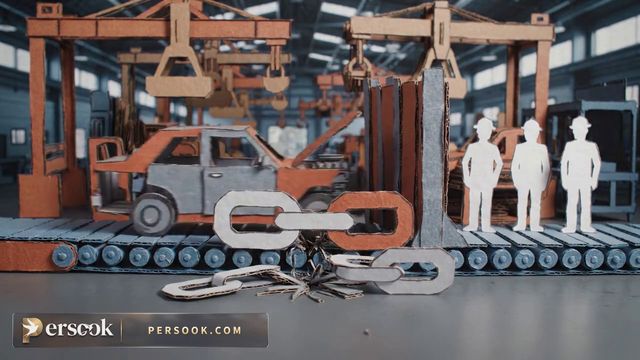
'China Shock 2.0': Germany Loses Trade Surplus in Cars, Machinery and Medical Equipment to Chinese Rivals
A major policy report found Germany has shed 420,000 manufacturing jobs since 2019 and now runs trade deficits with China in sectors it once dominated, as Chinese firms compete on quality and innovation, not just price.
A policy brief published by the Centre for European Reform in October 2026, titled 'China Shock 2.0: The Cost of Germany's Complacency,' documented the accelerating erosion of Germany's industrial supremacy by Chinese competition. The report found that roughly 420,000 German manufacturing jobs were lost between 2019 and 2025, and that German exports to China — which peaked in 2021 — had fallen 29% by 2025, with a further 12.3% decline in the first half of 2026 alone. Germany now records trade deficits with China in industrial categories it once dominated, including automobiles, machinery, industrial robots, construction equipment, rail transit systems and medical technology. A French government planning-office study cited in the brief warned that Chinese competition could threaten up to 70% of Germany's manufacturing output over the medium term. Some 83% of German industrial firms reported growing competitive pressure from Chinese rivals, who increasingly contest markets on quality and innovation rather than merely on cost. The report argued that tariffs alone would not reverse the decline and called for structural reform and investment in frontier technologies. Chancellor Friedrich Merz's government has been under pressure from industry associations to adopt a tougher trade stance toward China, even as German companies remain deeply integrated into Chinese supply chains and consumer markets.