 Photo · sciencedaily.com
UK-led study finds five chronic illnesses share hidden biological wiring
Researchers from the University of East Anglia reported that long Covid, ME/CFS, PTSD, rheumatoid arthritis and MS converge on shared gene networks governing immunity, metabolism and energy.
A study published on October 1, 2026 in the Journal of Translational Medicine proposed a 'unifying theory' linking five chronic illnesses that have long baffled clinicians. Led by the University of East Anglia with Oxford BioDynamics, the London School of Hygiene and Tropical Medicine and Cornwall Partnership NHS Foundation Trust, the team compared existing genetic data for long Covid, myalgic encephalomyelitis/chronic fatigue syndrome (ME/CFS), post-traumatic stress disorder, rheumatoid arthritis and multiple sclerosis. Using 3D genomics — which maps how distant stretches of DNA fold together and influence gene activity — they found that genes implicated in all five conditions repeatedly connect to the same biological networks governing immune regulation, cellular energy production and stress response. The researchers argue this helps explain why these otherwise distinct illnesses share disabling symptoms such as crushing fatigue, cognitive fog and post-exertional malaise. They said the shared pathways could eventually inform cross-cutting diagnostic tests and open the door to treatments effective against several conditions at once. Patient groups welcomed the finding, which gives biological grounding to symptoms that are too often dismissed as psychological.
More from this edition

WHO: Global cholera deaths jumped 30% in 2025 to 26-year high
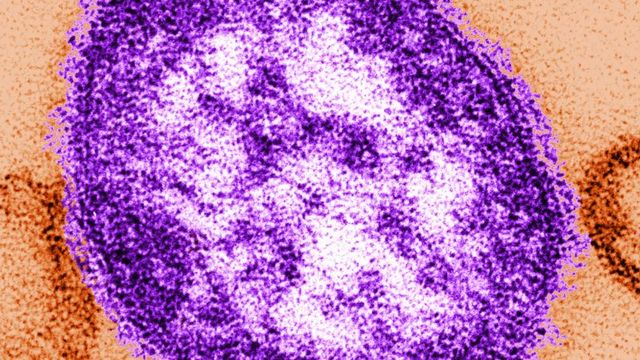
Pennsylvania reports fifth measles death as US outbreak hits 35-year high

Tennessee halts executions after woman survives botched lethal injection
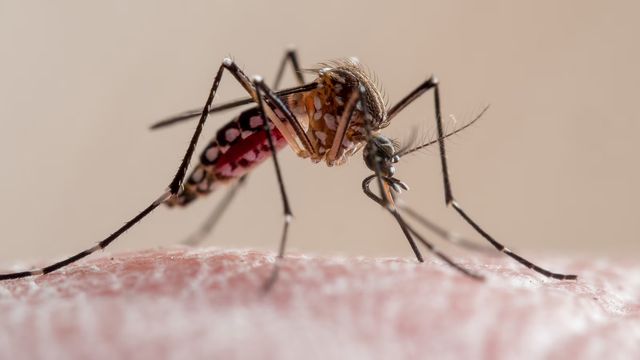
Florida dengue outbreak becomes largest on record
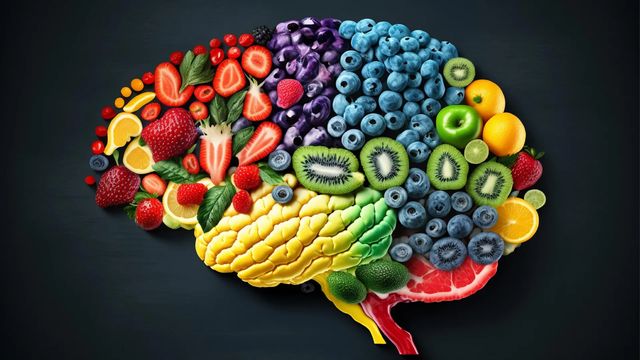
MIND diet linked to slower brain aging by up to 2.5 years
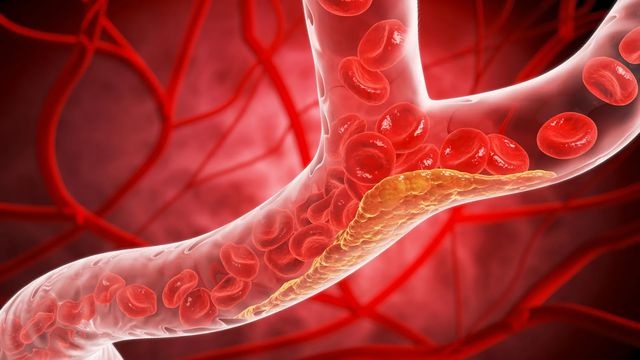
Silent artery plaque found in 1 in 13 adults under 30

Australian study: even weak sunlight damages skin DNA

Low-calorie diet plus exercise reverses early-onset type 2 diabetes in 54%