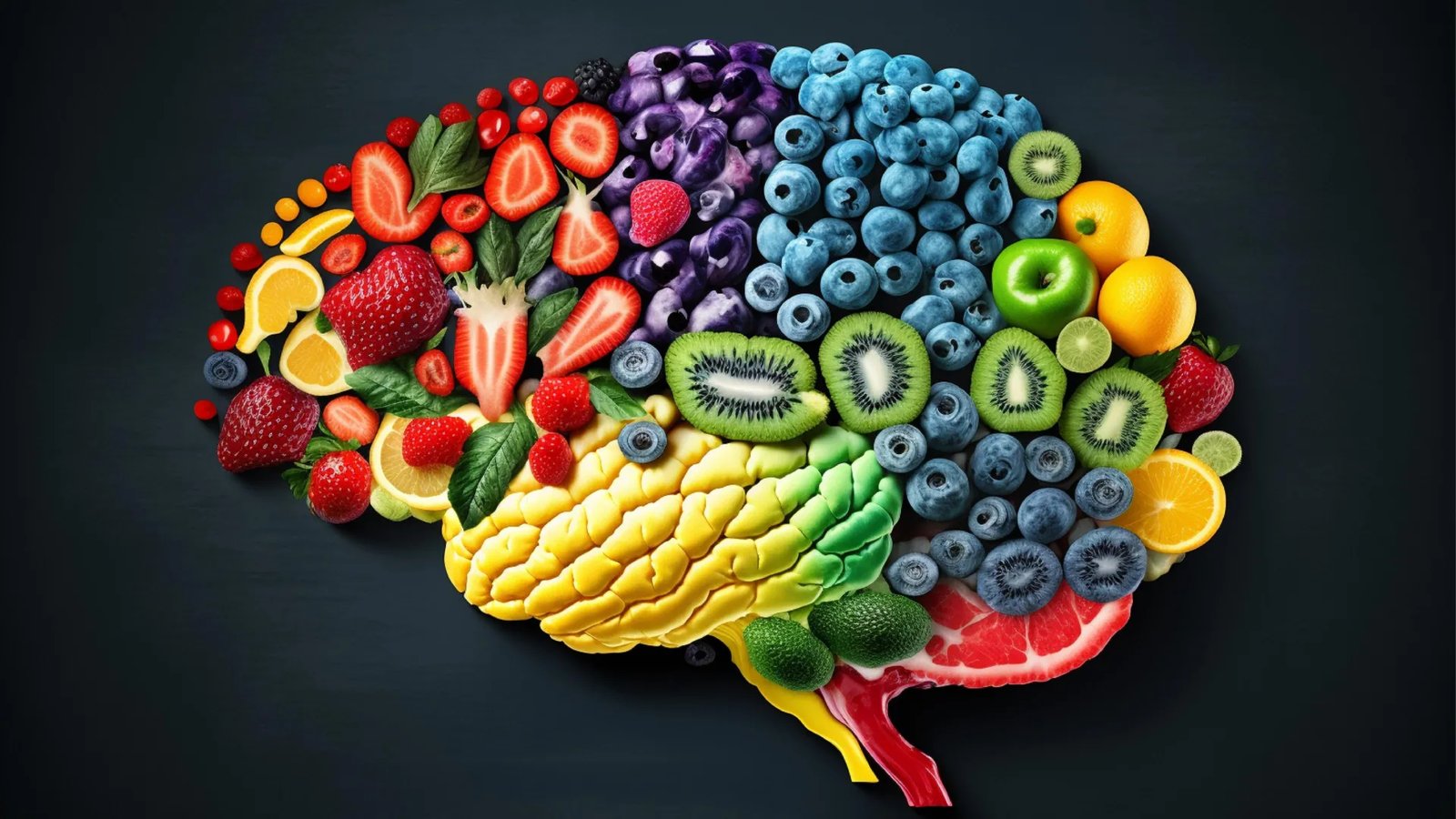
 Photo · sciencedaily.com
MIND diet linked to slower brain aging by up to 2.5 years
A long-running Framingham study of 1,647 adults found that closer adherence to the MIND diet was tied to markedly less grey-matter loss, equivalent to roughly 2.5 years of delayed brain aging.
A long-running observational study published around October 1, 2026 reported that adults who stuck closest to the MIND diet showed significantly less brain shrinkage than those who did not. Researchers followed 1,647 participants from the Framingham cohort (54% women, average age 61 at baseline) for an average of about 12 years, using repeated MRI scans and detailed food questionnaires. Each three-point increase in a MIND diet score was linked to about 20% less grey-matter loss and less enlargement of brain ventricles — fluid spaces that expand as surrounding tissue atrophies. The strongest effects translated to roughly 2.5 years of delayed brain aging, a meaningful margin given the cumulative role of grey matter in memory, learning and decision-making. Berries and poultry were associated with the healthiest brain changes, while frequent consumption of sweets and fried fast food was tied to greater tissue loss. The MIND regimen blends elements of the Mediterranean and DASH diets, emphasising leafy greens, other vegetables, berries, nuts, whole grains, fish, beans, olive oil and poultry. Authors stressed the study is observational, so it shows association rather than proven causation.
More from this edition

WHO: Global cholera deaths jumped 30% in 2025 to 26-year high

Pennsylvania reports fifth measles death as US outbreak hits 35-year high

Tennessee halts executions after woman survives botched lethal injection

Florida dengue outbreak becomes largest on record
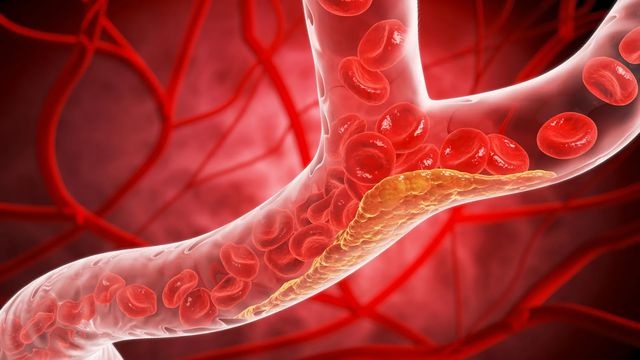
Silent artery plaque found in 1 in 13 adults under 30

Australian study: even weak sunlight damages skin DNA

Low-calorie diet plus exercise reverses early-onset type 2 diabetes in 54%

UK-led study finds five chronic illnesses share hidden biological wiring