 Photo · sciencedaily.com
Australian study: even weak sunlight damages skin DNA
A QIMR Berghofer trial of 58 volunteers found that low-intensity UV exposure, including morning and evening sun, still causes cumulative DNA damage that can seed skin cancer.
A landmark Australian study published around October 1, 2026 by Brisbane's QIMR Berghofer Medical Research Institute concluded that there is no truly 'safe' time to be in the sun. In the Low-Dose UV Study, 58 adults with light to olive skin had small patches on their backs exposed to varying intensities of ultraviolet radiation across several days, with biopsies then analysed for DNA damage and molecular stress signals. Even UV doses too weak to cause visible redness produced measurable damage to skin-cell DNA. Crucially, researchers found that total UV dose, not time of day, is what matters: the same cumulative exposure can be absorbed quickly at midday or slowly in the morning or late afternoon, and the biological damage is comparable. Over months and years, repeated low-level exposures build up mutations that can initiate skin cancer. The findings challenge common guidance that morning or late-afternoon sun is largely harmless and have prompted calls for stronger daily sun-protection habits — hats, long sleeves, sunscreen and shade — in Australia, the country with the world's highest melanoma rates, and other high-UV regions.
More from this edition

WHO: Global cholera deaths jumped 30% in 2025 to 26-year high
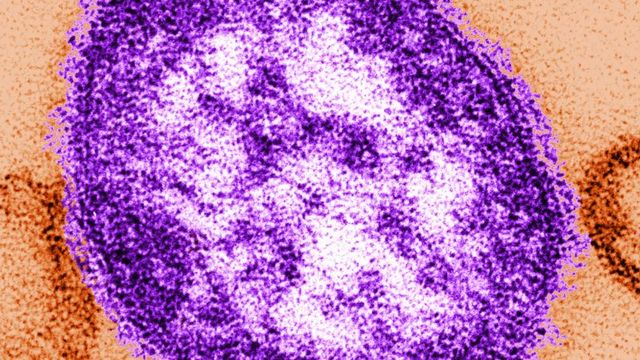
Pennsylvania reports fifth measles death as US outbreak hits 35-year high

Tennessee halts executions after woman survives botched lethal injection
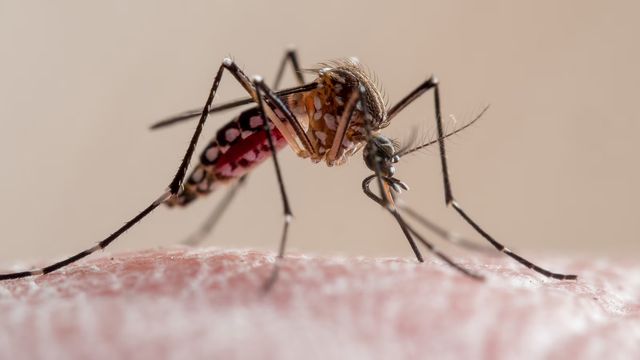
Florida dengue outbreak becomes largest on record

MIND diet linked to slower brain aging by up to 2.5 years
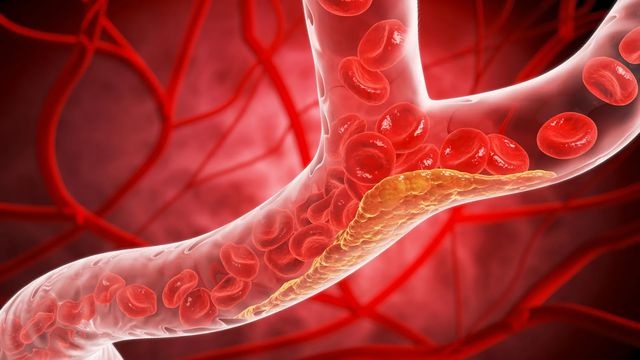
Silent artery plaque found in 1 in 13 adults under 30

Low-calorie diet plus exercise reverses early-onset type 2 diabetes in 54%
UK-led study finds five chronic illnesses share hidden biological wiring