 Photo · cidrap.umn.edu
US awards nearly $3 million to test tick-killing deer feed against Lyme
HHS, CDC and NIH funded two Centers of Excellence to trial tick-killing acaricide baits for deer and rodents, aiming to shrink Lyme and alpha-gal syndrome risk.
Reported widely on October 1, 2026, the US Department of Health and Human Services, through the Centers for Disease Control and Prevention and the National Institutes of Health, is directing nearly $3 million to two CDC Centers of Excellence in Vector-Borne Diseases — the New England Center of Excellence and the Midwest Center of Excellence — to test novel strategies for cutting tick-borne disease risk. The core experiments will evaluate baits and feed stations laced with acaricides (tick-killing chemicals) targeting the wildlife that ferry ticks between habitats, especially white-tailed deer and small rodents such as white-footed mice. If feeding stations can reliably knock down tick populations in forested suburbs and farmland, scientists expect fewer bites and lower transmission of Lyme disease, alpha-gal syndrome (a tick-induced red-meat allergy), anaplasmosis and emerging viruses. Lyme alone is now diagnosed in an estimated several hundred thousand Americans each year, and climate change is pushing tick ranges north and into higher elevations. The announcement, part of a broader HHS plan to combat tick-borne illnesses, drew attention from LymeDisease.org, CIDRAP and Medical Daily and comes as US rural communities push for more federal action on tick control.
More from this edition

WHO: Global cholera deaths jumped 30% in 2025 to 26-year high
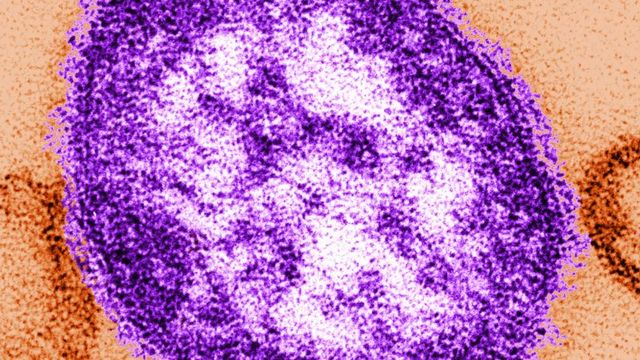
Pennsylvania reports fifth measles death as US outbreak hits 35-year high

Tennessee halts executions after woman survives botched lethal injection
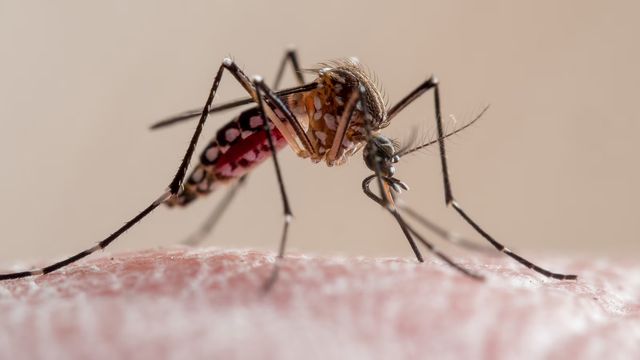
Florida dengue outbreak becomes largest on record

MIND diet linked to slower brain aging by up to 2.5 years
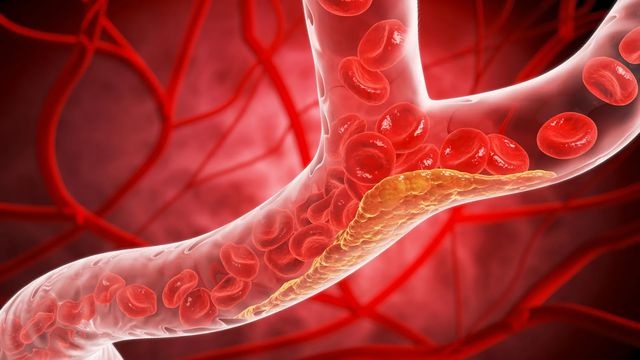
Silent artery plaque found in 1 in 13 adults under 30

Australian study: even weak sunlight damages skin DNA

Low-calorie diet plus exercise reverses early-onset type 2 diabetes in 54%