 Photo · npr.org
Google launches Project Suncatcher — AI chips head to orbit
Google sent an experimental satellite carrying four Trillium TPUs into low-Earth orbit, testing whether solar-powered AI data centres could one day run in space.
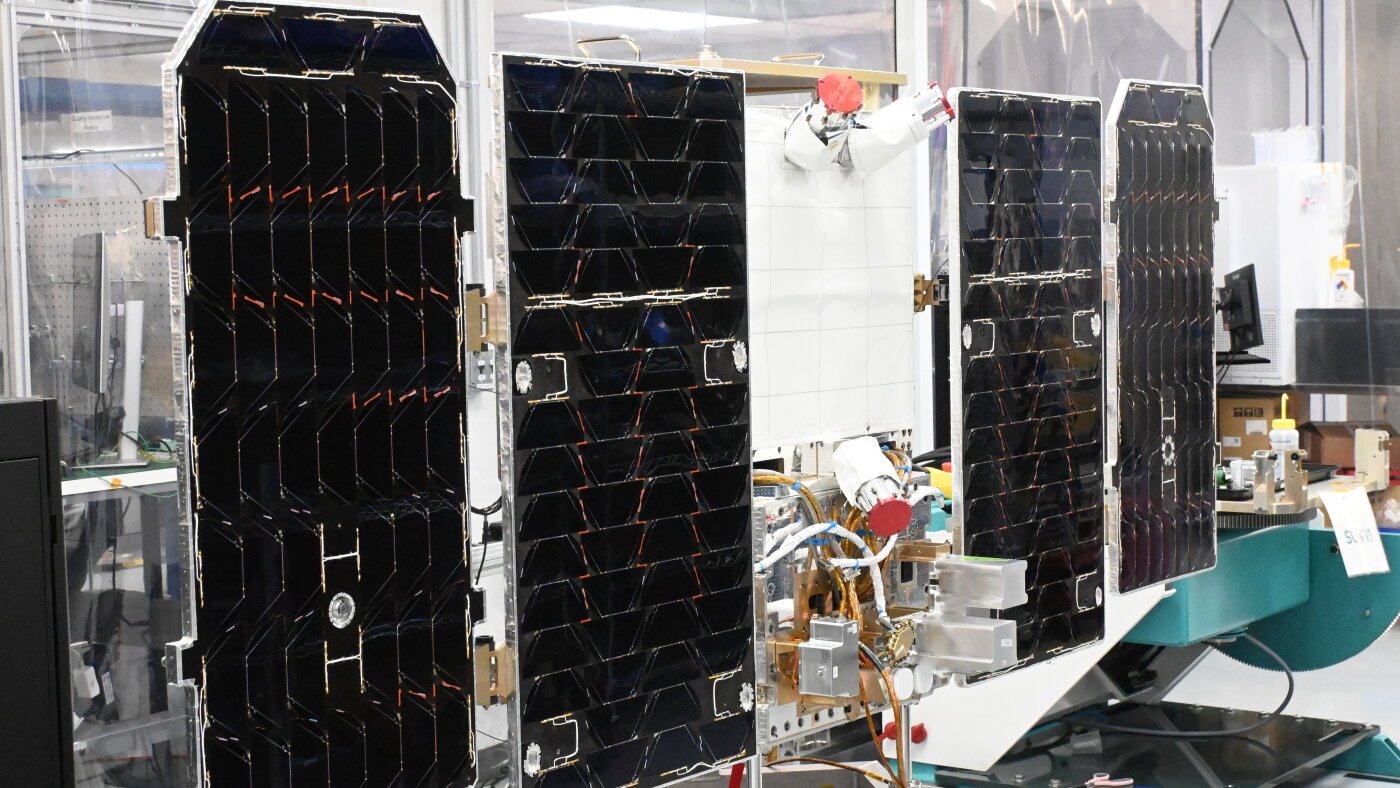
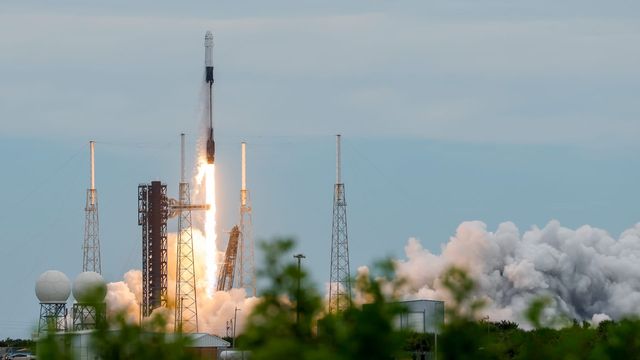
At approximately 2:32 p.m. EDT on 1 October 2026, a SpaceX Falcon 9 rocket carried a fridge-sized prototype satellite into low-Earth orbit for Google's Project Suncatcher, a moonshot programme that envisions scalable AI compute clusters powered by sunlight in space. The spacecraft, built together with Earth-imaging firm Planet, carries four of Google's Trillium-generation Tensor Processing Units and is designed to measure how commercial AI accelerators cope with the vacuum, cosmic radiation and extreme thermal cycling of orbit. Before launch, engineers irradiated test chips with simulated solar protons at a University of California, Davis beamline; the TPUs tolerated more ionising radiation than expected, suggesting a potential five-year orbital lifetime. The mission also trials a novel passive heat-dispersion system, because without airflow, heat produced by compute-dense boards is far harder to shed. Google frames Suncatcher as a feasibility step toward swarms of networked satellites running machine-learning workloads on uninterrupted solar power, potentially easing the ground-side electricity and water demands of Earth-based AI data centres.
More from this edition
SpaceX Crew-13 makes fastest-ever Dragon trip to the ISS

OpenAI unveils GPT-6.1 Sol at DevDay 2026

Google DeepMind watermarks AI-designed proteins with SynthID Bio

Light-powered chip detects deepfakes at 98% accuracy across 15 streams

Superfluid helium qubit could slash quantum error rates 100-fold

NASA picks PRIMA far-infrared telescope for new Probe Explorer class

Antarctic sea ice peaks at third-lowest maximum on record

Science News asks whether the US Southwest's 27-year megadrought will ever end