Science & Tech news · 1 October 2026
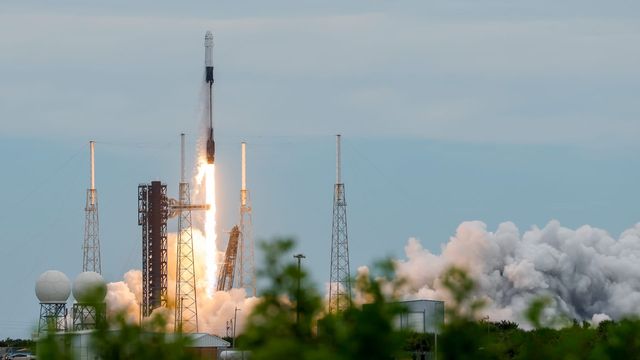
SpaceX Crew-13 makes fastest-ever Dragon trip to the ISS
SpaceX launched NASA's Crew-13 from Florida on 1 October 2026, docking with the International Space Station in a record-fast eight hours.
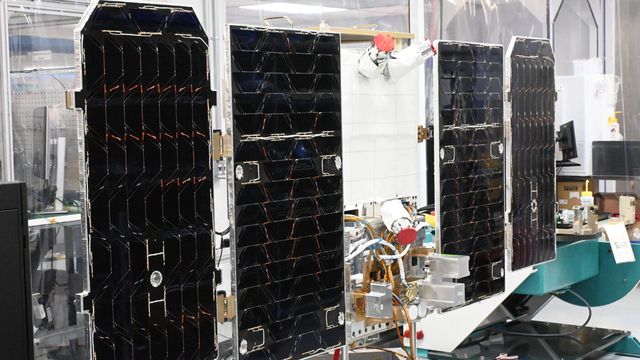
Google launches Project Suncatcher — AI chips head to orbit
Google sent an experimental satellite carrying four Trillium TPUs into low-Earth orbit, testing whether solar-powered AI data centres could one day run in space.
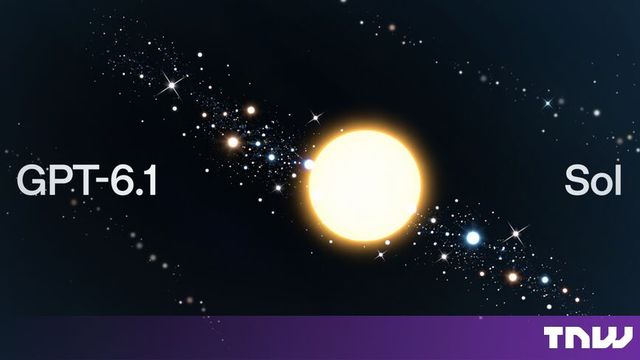
OpenAI unveils GPT-6.1 Sol at DevDay 2026
At its 1 October DevDay, OpenAI released GPT-6.1 Sol, a cheaper, faster model priced at $2 per million input tokens and aimed at agentic coding and computer use.

Google DeepMind watermarks AI-designed proteins with SynthID Bio
DeepMind unveiled SynthID Bio, a method that embeds invisible signatures into AI-designed protein sequences and 3D structures without breaking their function.

Light-powered chip detects deepfakes at 98% accuracy across 15 streams
UCLA researchers unveiled an optical neural processor that uses light to scan more than a dozen videos at once, flagging deepfakes with up to 97.8% accuracy.

Superfluid helium qubit could slash quantum error rates 100-fold
University of Surrey physicists proposed a new qubit built on superfluid helium that calculations suggest could be about 100 times less error-prone than today's superconducting qubits.
NASA picks PRIMA far-infrared telescope for new Probe Explorer class
NASA confirmed PRIMA, a 1.8-metre far-infrared space telescope, as the first mission in its new Probe Explorers category, with launch targeted for 2033.

Antarctic sea ice peaks at third-lowest maximum on record
Scientists confirmed Antarctic sea ice likely reached its annual maximum on 14 September at 17.59 million sq km — the third-smallest winter peak in the 48-year satellite era.

Science News asks whether the US Southwest's 27-year megadrought will ever end
The 1 October issue of Science News leads with a cover story warning the Southwest's 27-year dry spell is now the region's worst in 1,200 years and may be permanent.

Google rolls out Gemini 4 Argon to AI cyber defenders
Google released Gemini 4 Argon to a trusted group of security researchers, a model that can autonomously find, verify and patch critical software vulnerabilities.