 Photo · helpnetsecurity.com
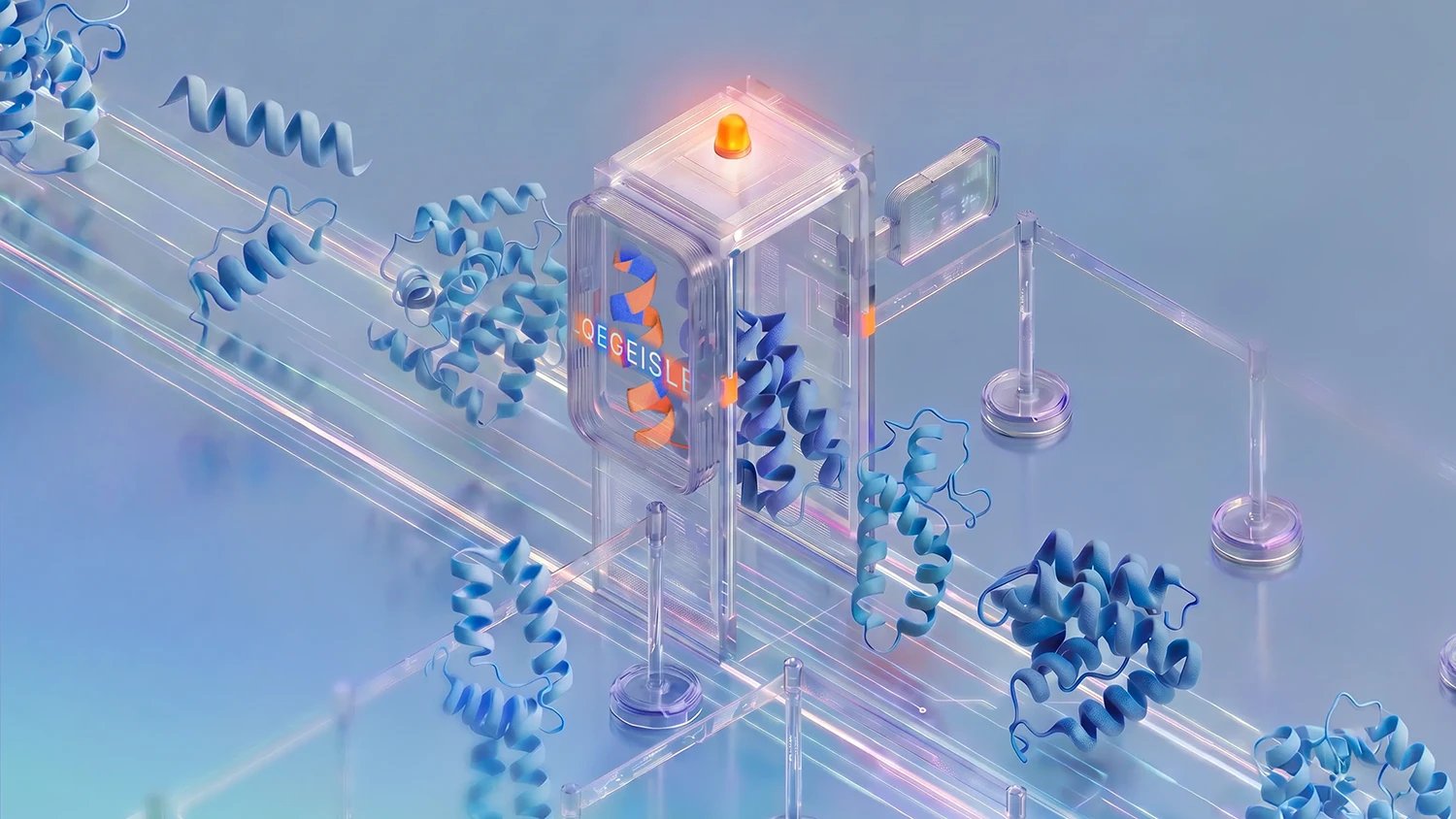
Google DeepMind watermarks AI-designed proteins with SynthID Bio
DeepMind unveiled SynthID Bio, a method that embeds invisible signatures into AI-designed protein sequences and 3D structures without breaking their function.
Google DeepMind announced SynthID Bio on 1 October 2026, extending its invisible-watermarking technology from text and images to the biological domain. The system hides a verifiable signature inside both the amino-acid sequence of an AI-designed protein and the atomic coordinates of its predicted three-dimensional structure, so that a laboratory receiving a synthesis order — or inspecting a finished molecule — can check whether the design came from an AI model. In wet-lab tests on three protein-binder targets, watermarked candidates matched the biological activity of unmarked versions, suggesting the signature does not degrade function. DeepMind is pitching SynthID Bio primarily at DNA-synthesis screening, where it could help providers automate biosecurity checks and keep sequence databases accurate as the volume of AI-generated designs climbs. The company acknowledges the watermark is not yet robust to deliberate tampering and recommends pairing it with provenance metadata and central repositories. In parallel work with Stanford's Hie lab and the Arc Institute, DeepMind integrated SynthID Bio into the Evo 2 genomic model to watermark a bacteriophage genome; the resulting phages remained functional in bacterial cultures.
More from this edition

SpaceX Crew-13 makes fastest-ever Dragon trip to the ISS
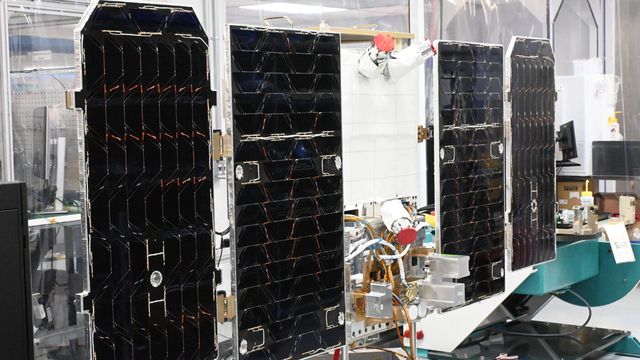
Google launches Project Suncatcher — AI chips head to orbit

OpenAI unveils GPT-6.1 Sol at DevDay 2026
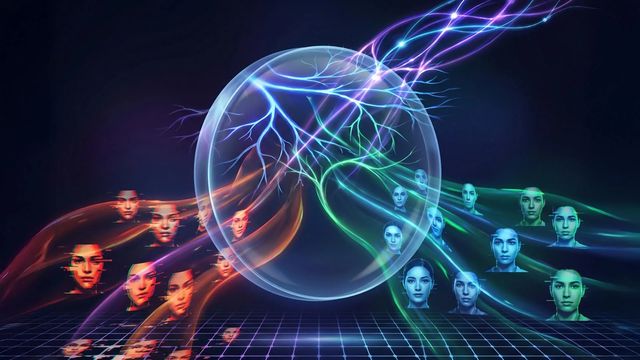
Light-powered chip detects deepfakes at 98% accuracy across 15 streams

Superfluid helium qubit could slash quantum error rates 100-fold

NASA picks PRIMA far-infrared telescope for new Probe Explorer class

Antarctic sea ice peaks at third-lowest maximum on record

Science News asks whether the US Southwest's 27-year megadrought will ever end