 Photo · nasa.gov
NASA picks PRIMA far-infrared telescope for new Probe Explorer class
NASA confirmed PRIMA, a 1.8-metre far-infrared space telescope, as the first mission in its new Probe Explorers category, with launch targeted for 2033.
NASA announced on 1 October 2026 that PRIMA — the PRobe far-Infrared Mission for Astrophysics — had advanced into Phase B development, becoming the first mission selected under its new Probe Explorers class within the long-running Explorers Program. Designed around a 1.8-metre cryogenically cooled far-infrared telescope, PRIMA will survey wavelengths that current observatories like the James Webb Space Telescope cannot reach, chasing the obscured history of how galaxies and their supermassive black holes grew, how planets form in dust-shrouded disks beyond our Solar System, and how dust and heavy elements first built up in the early universe. The move into Phase B unlocks further preliminary design work and formal technical and budget reviews ahead of a planned 2033 launch. International partners contributing hardware and science include ESA members through CNES, ASI, DLR and the UK Space Agency, as well as CSA, KASI and JAXA. NASA framed Probe Explorers as a cost-capped mid-size mission line sitting between its smaller Explorer missions and the agency's flagship observatories, intended to produce flagship-class discoveries on tighter schedules and budgets.
More from this edition
SpaceX Crew-13 makes fastest-ever Dragon trip to the ISS
Google launches Project Suncatcher — AI chips head to orbit
OpenAI unveils GPT-6.1 Sol at DevDay 2026
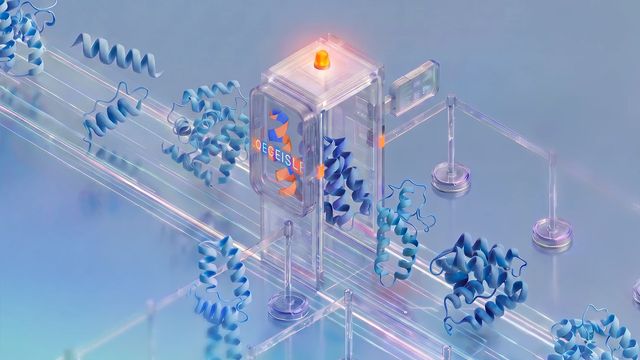
Google DeepMind watermarks AI-designed proteins with SynthID Bio

Light-powered chip detects deepfakes at 98% accuracy across 15 streams

Superfluid helium qubit could slash quantum error rates 100-fold

Antarctic sea ice peaks at third-lowest maximum on record

Science News asks whether the US Southwest's 27-year megadrought will ever end